NEERVANA

In an age long past, a fern subdued the fury of the Eocene; now it returns—not as relic, but as reckoning—to extinguish the inferno of the Anthropocene.

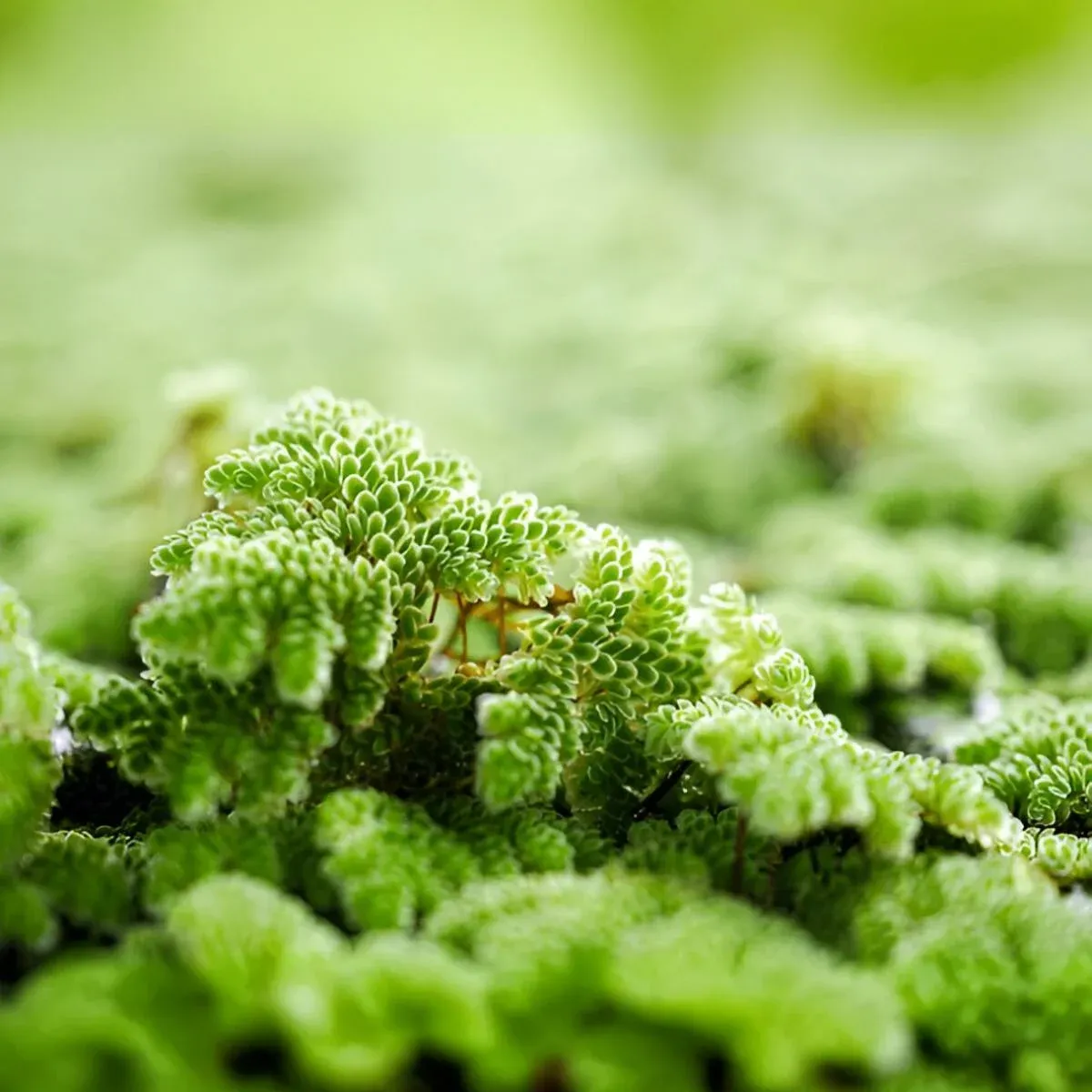
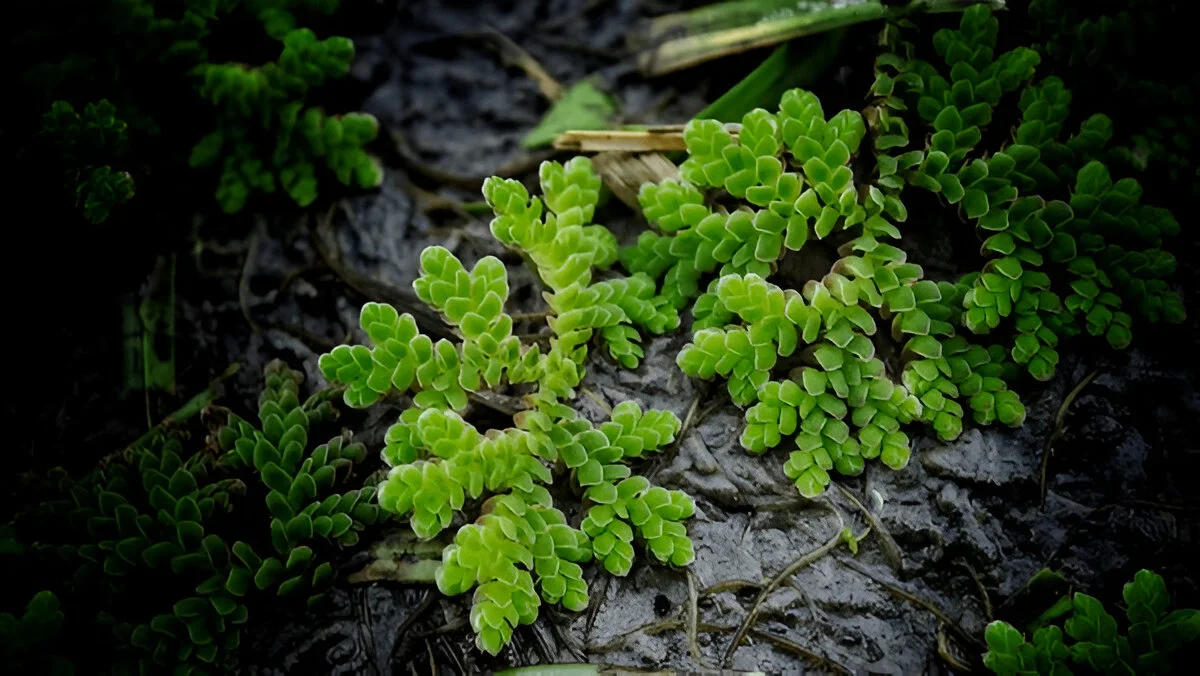
The story of Azolla is not merely botanical—it is planetary. Forty-eight million years ago, this humble aquatic fern drew down gigatons of carbon dioxide, altering the very chemistry of Earth’s atmosphere and cooling a world on fire. Today, as humanity teeters on the brink of climate catastrophe, the fern awakens once more—not by chance, but by design—to become our most audacious ally in the race for survival.

We call this vision The Azonian Process: the most frugal, elegant, and radically scalable carbon capture pathway ever conceived. Unlike costly techno-fixes or fragile afforestation schemes, the Azonian Process distills climate action to its simplest truth—let nature’s genius do what it has already proven it can do at gigaton scale.

At its heart lies a democratic ethos. The Azonian Process requires no billion-dollar machines, no colossal infrastructure, no geopolitical compromise. It thrives in modular pools of bamboo and tarpaulin, in the quiet terraces of farmers, and in the shared fields of the tropics. What emerges is not just a climate solution, but a people’s movement—a planetary orchestra of living pools, all singing in photosynthetic unison.

Scaling the Azonian Process

01
The Azonian Process is not a distant, monolithic mega-project—it is a modular, decentralised, and globally deployable system capable of transforming the very way humanity confronts climate change.
02
Modular, low-cost deployment:Azolla cultivation thrives in simple, easily constructed pools made from bamboo or PVC frames lined with tarpaulin. These modular systems require minimal technical expertise, making them deployable in villages, on farms, or even abandoned landscapes. Each pool becomes a living carbon sink, silently capturing CO₂ while generating tangible ecological benefits.
03
Hybridised agricultural integration: The greatest opportunity lies in co-cultivation with rice, the world’s most widely grown crop. Here, Azolla performs dual service: enriching soils with nitrogen and sequestering carbon—without requiring additional investment, machinery, or operational effort. This zero-cost climate action transforms farmers into frontline climate actors, turning existing food production systems into carbon capture engines.
04
Planetary scalability: To fully neutralise humanity’s annual CO₂ emissions of roughly 19 gigatons, only about 1 million square kilometres of Azolla cultivation are required. To put this in perspective, that is less than 0.2% of the Sahara Desert or roughly 10% of the Amazon rainforest—a startlingly modest footprint for addressing the greatest planetary challenge of our time. Decentralised, modular, and strategically deployed, the Azonian Process can scale rapidly across tropical and subtropical regions, on marginal, degraded, desertified, or abandoned lands, turning what was once unproductive into a reservoir of life and resilience.

The Planet’s Wager With Time

For two and a half centuries, since the pistons of the Industrial Revolution began to roar, humanity has been writing its destiny in carbon. Every coal seam burned, every oil field tapped, every ton of steel forged has added invisible weight to the sky. Today, the atmosphere bears the scars of over 2.4 trillion tons of anthropogenic CO₂—a debt so vast it dwarfs the natural rhythms of Earth’s carbon cycle.
The clock ticks louder with each passing year. According to the IPCC, the remaining planetary carbon budget for a 50% chance of holding warming below 1.5°C is less than 400 gigatons. At our current pace of emissions, that budget will be spent in less than a decade. Beyond it lies the dangerous inertia of self-perpetuating warming: melting ice sheets, collapsing forests, and oceans that seethe instead of soothe.
This is why the Azonian Process exists: to confront the crisis with a tool equal to its urgency. It is frugal, because the future cannot wait for trillion-dollar contraptions. It is decentralised, because the fight against global warming must not be confined to elites or nations alone.

The Fern That Once Changed the World — And Will Again

Forty-eight million years ago, in the warmth of the Eocene epoch, a miracle unfolded upon the surface of Earth’s primeval seas. A diminutive floating fern, Azolla, entered into quiet partnership with the cyanobacteria nestled in its leaves. Together, they performed a planetary alchemy: drawing vast swathes of carbon dioxide from the atmosphere, binding nitrogen from the air, and sequestering enough carbon to cool a fevered planet. This event, known to science as the Azolla Event, was no accident of history—it was nature’s most audacious climate experiment.